Google Cloud's latest AI security guidance is a useful prompt for owners: before approving another AI tool or security platform, ask how risk will be owned, monitored, prioritized, and proven.
Same-day coverage of the FCC's robot and power inverter restrictions gives business owners a practical reason to review connected equipment before approving the next facilities, solar, warehouse, or automation purchase.
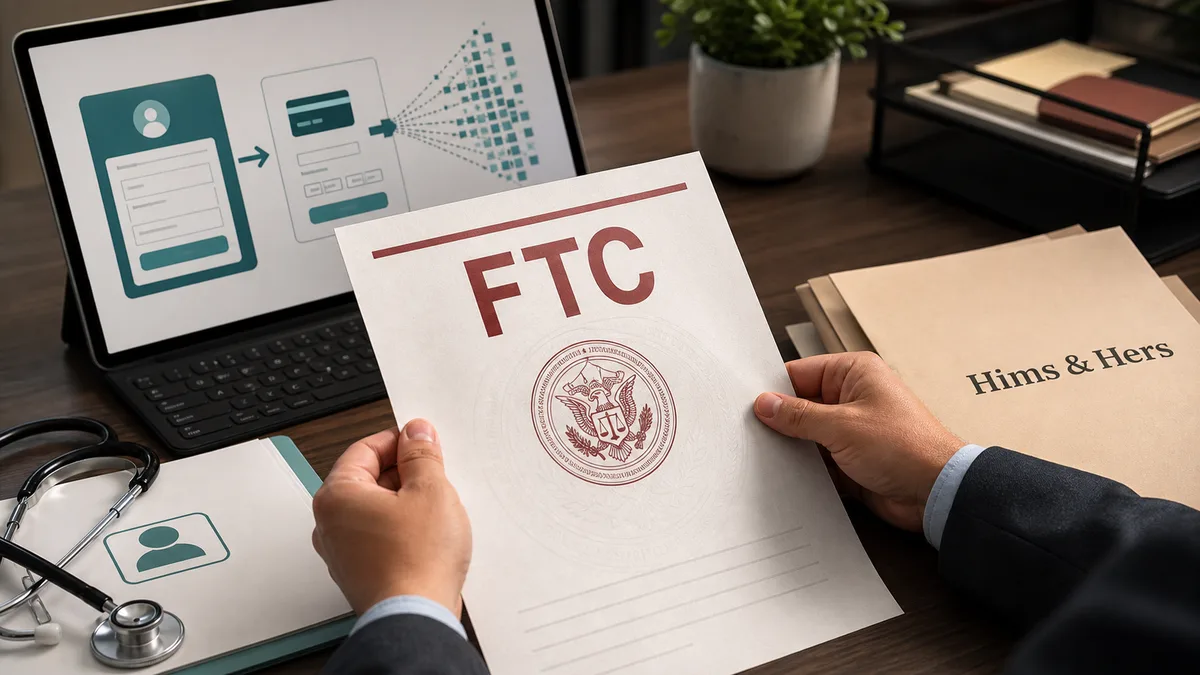
The FTC's July 29 action against Hims & Hers gives healthcare, wellness, and subscription businesses a practical reason to review tracking pixels, privacy promises, checkout flows, and cancellation paths.
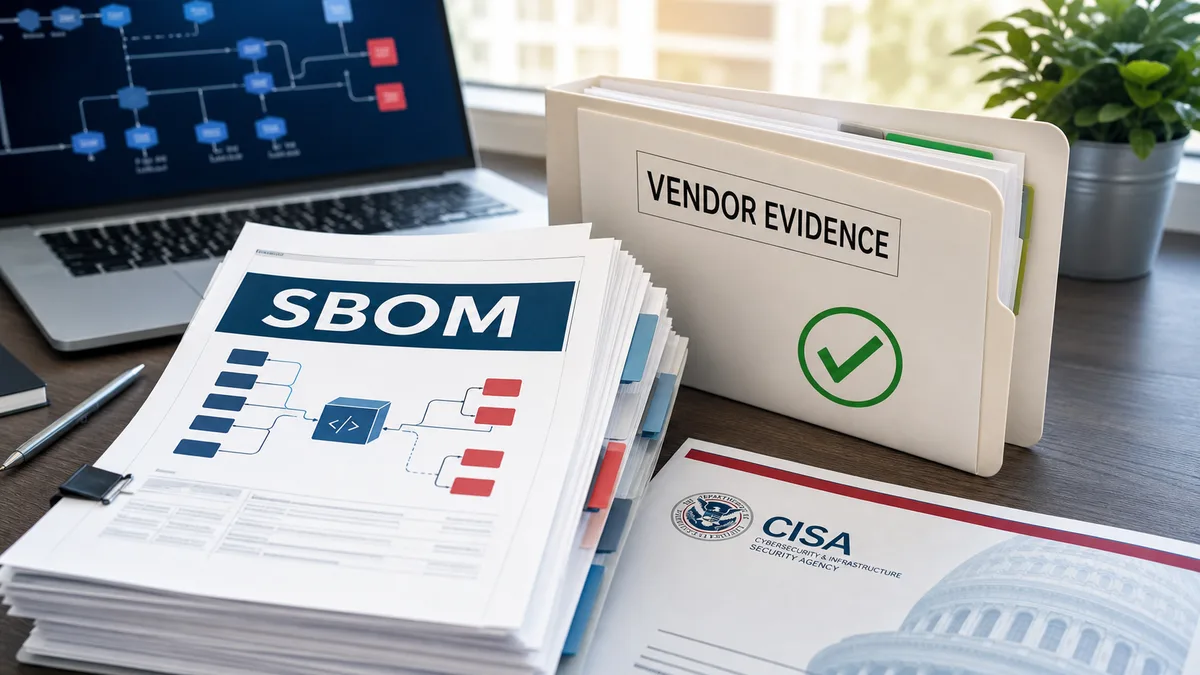
CISA's updated SBOM guidance gives business owners a more concrete way to ask software vendors what is inside critical systems, how current that inventory is, and what evidence follows when a risky component appears.
A new Gitea remote-code-execution report turns self-hosted code platforms into an owner-level question: who manages repository access, registration settings, updates, and connected secrets?
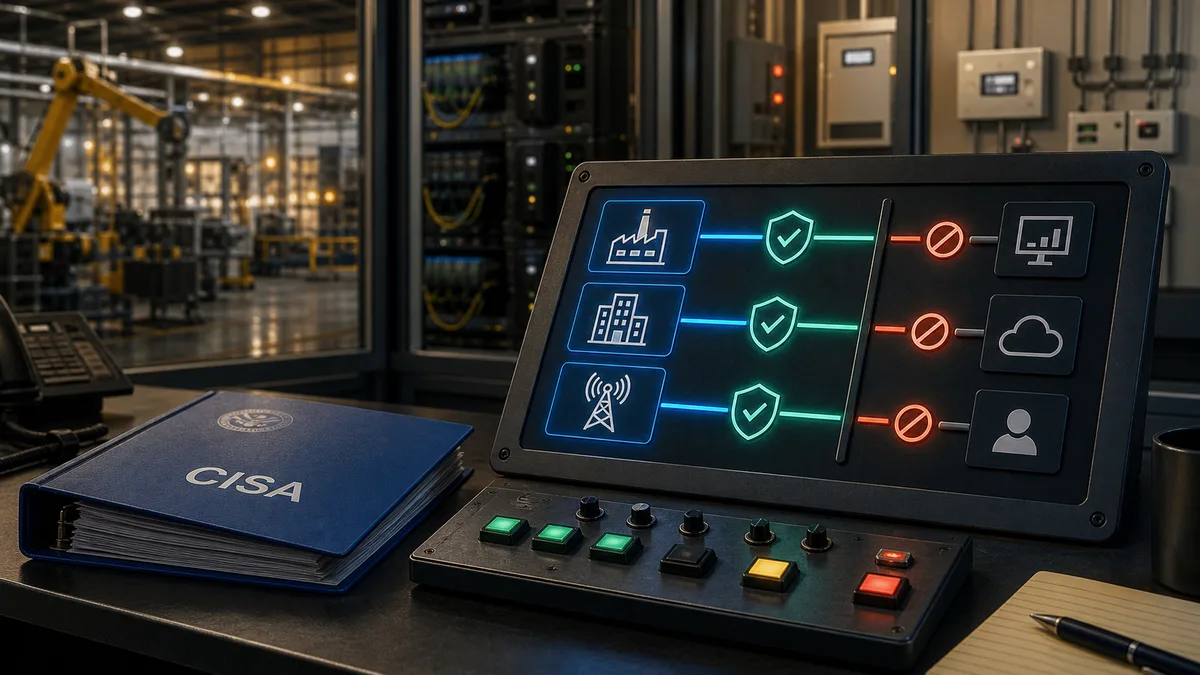
CISA's new CI Fortify guidance puts a practical question in front of operators: could your most important systems keep working if corporate networks, cloud services, or vendor access had to be cut off during an incident?
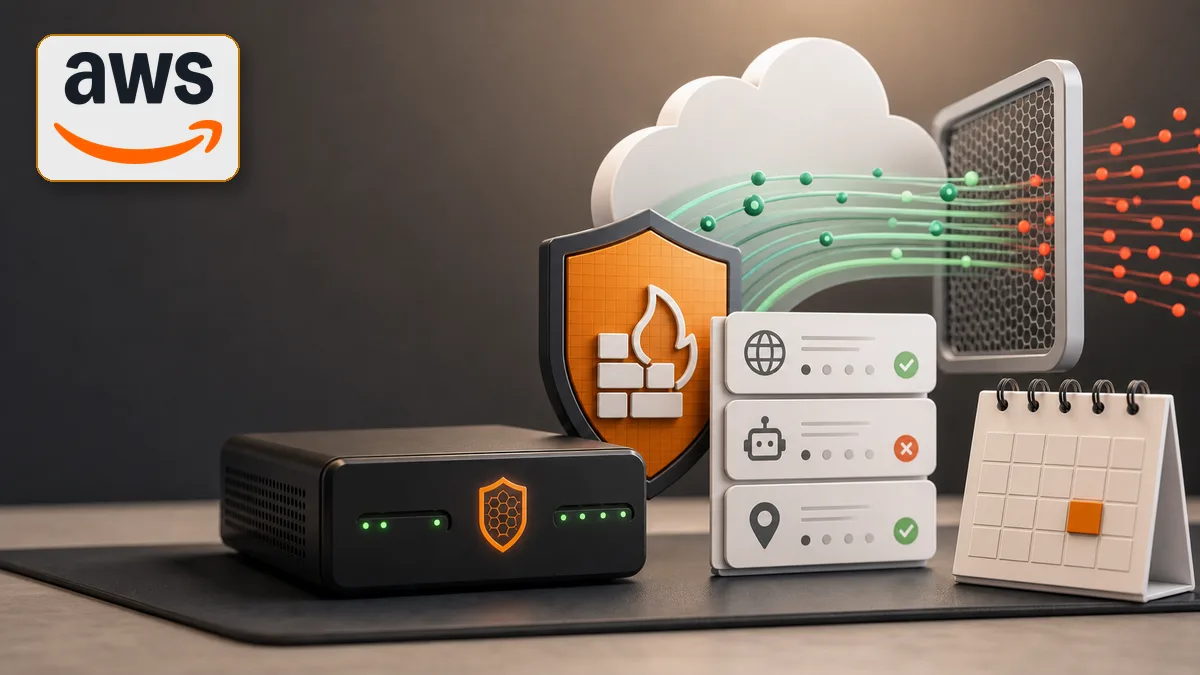
AWS is moving application-layer DDoS mitigation from Shield Advanced automatic mitigation into an AWS WAF managed rule group. For business owners, the practical question is whether someone owns the migration before the old path retires.
Arista's VeloCloud Orchestrator warning is not just another patch notice. It is a useful test of who owns SD-WAN management, exposure review, and proof of remediation.
A same-day FTC ticket-bot case is a useful reminder that automation, proxy services, payment workarounds, and bulk accounts need owner-level approval before they touch another company's platform rules.
A same-day report on PTC Windchill ransomware exploitation gives manufacturers and engineering firms a practical reason to review PLM exposure, patch evidence, logs, backups, and vendor ownership.
The MCBS data breach is a practical reminder for healthcare practices: billing vendors hold sensitive records, and owners need evidence about access, contracts, notices, and response duties.
A July 26 follow-up on the OpenAI and Hugging Face incident turns AI sandbox security into a practical business question: who proves the limits before an AI agent gets access?