A federal judge ordered changes to Google's ad-tech business but stopped short of a breakup. For business owners, the practical question is how much customer growth depends on one platform and one vendor's reporting.
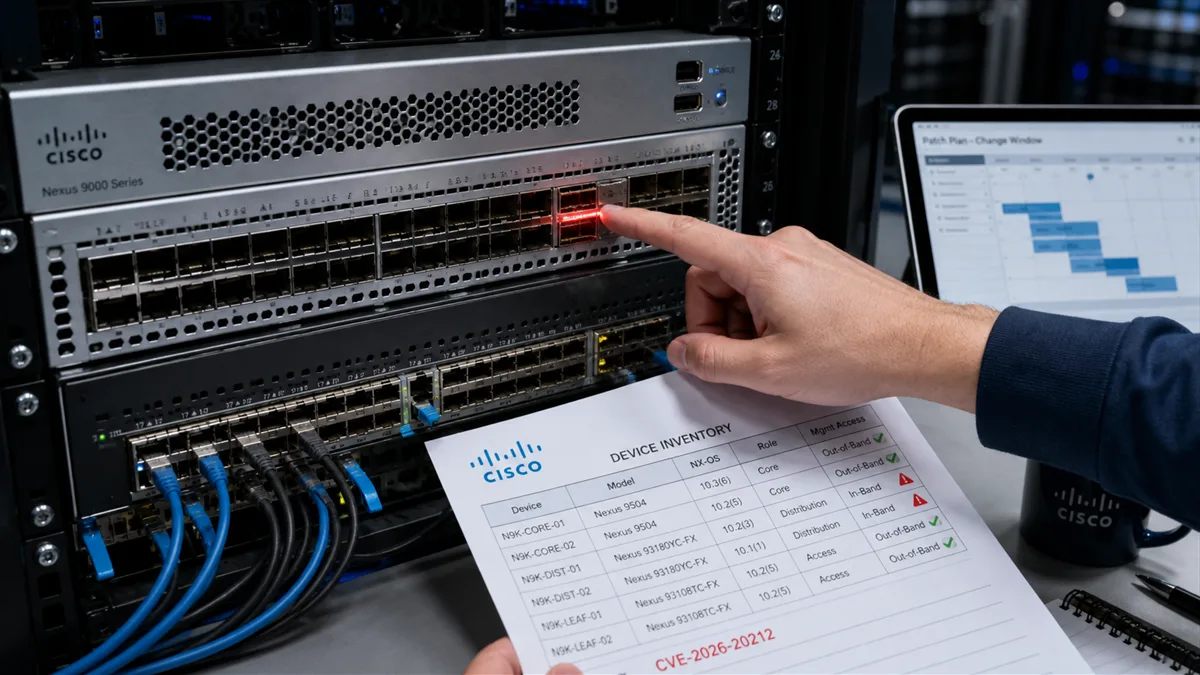
Cisco's Nexus 9000 advisory is not just a patch notice. It is a reason to confirm which switches are in the business, who can reach them, and how network changes are approved.
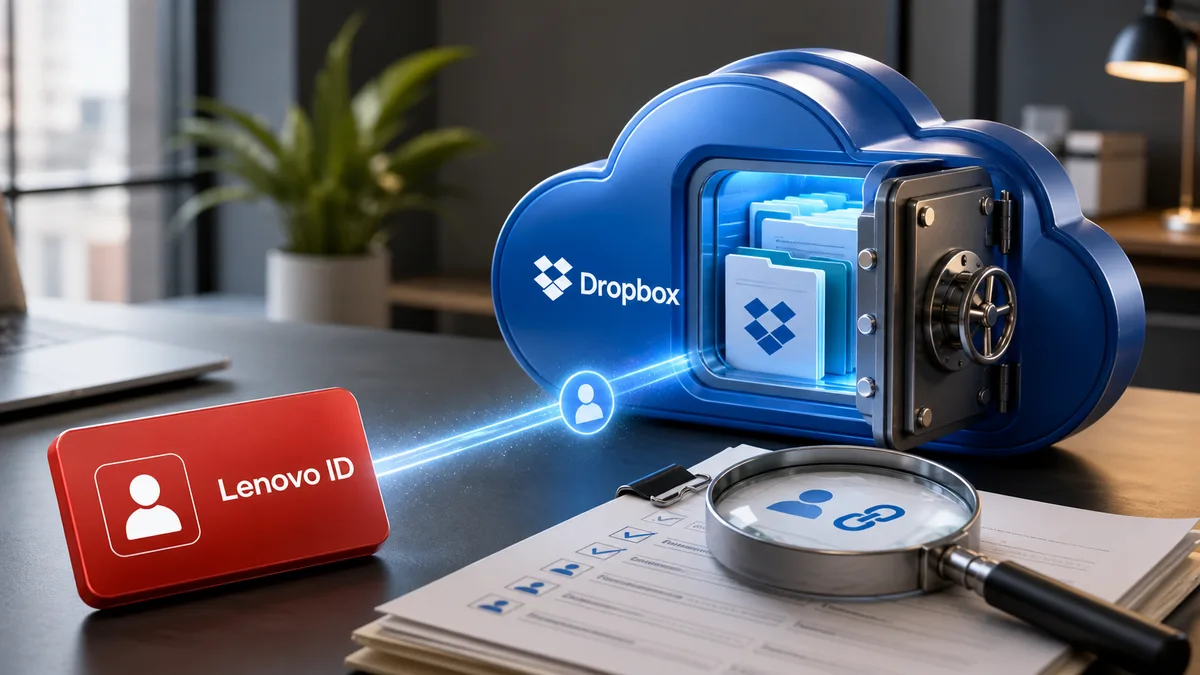
Dropbox's Lenovo ID incident is a useful reminder that third-party sign-ins are not just a convenience feature. For business owners, they are part of the access-control system.
OpenAI's Astra disclosure gives business owners a practical AI security question: when an agent becomes powerful enough for serious cyber work, who controls its access, review gates, and logs?
Google's 396 MW geothermal deal with Fervo is a useful reminder for business owners: AI and cloud growth eventually show up as capacity, continuity, and cost questions, not just software features.
A new U.S. ATM jackpotting case points to a practical question for banks, credit unions, retailers, and property operators: who verifies the physical, software, and logging controls on cash machines?
The FTC and 22 states, including New Jersey, sued Amazon over Sponsored Ads pricing. For businesses buying digital ads, the practical question is whether campaign spend, reporting, and vendor explanations can be verified before the next budget increase.
Tim Cook's last day as Apple CEO is a timely cue for businesses to review Apple device lifecycles, procurement timing, MDM ownership, and support assumptions before the next refresh.
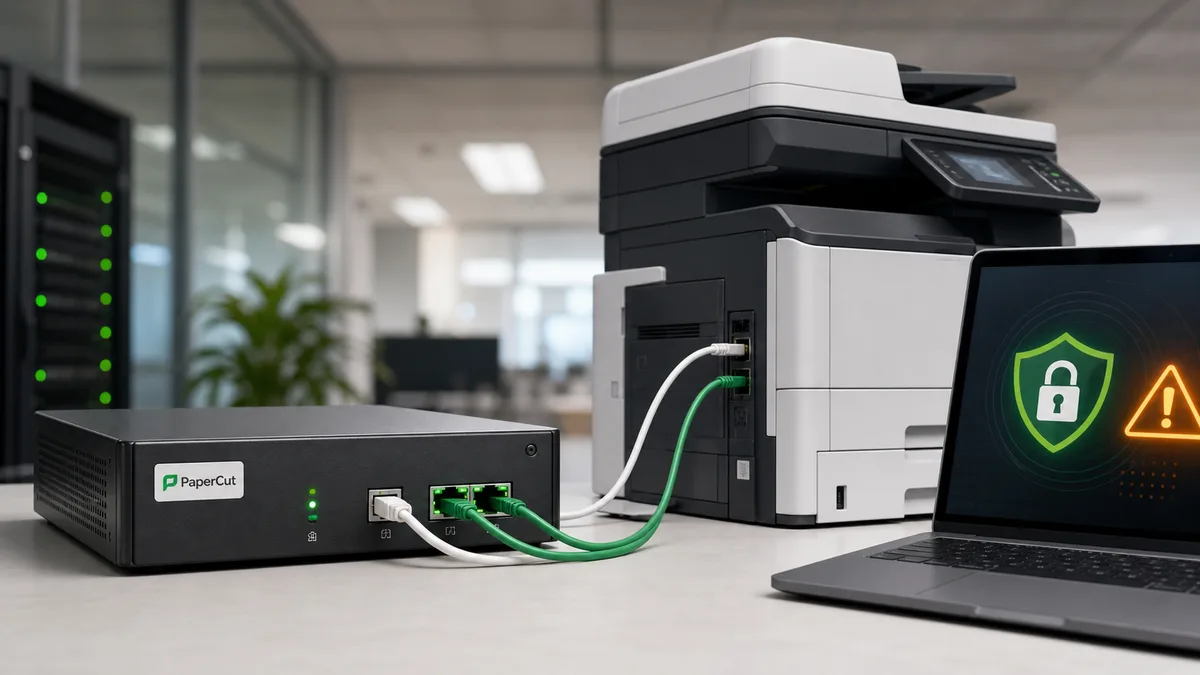
PaperCut updated its urgent advisory for actively exploited NG/MF flaws today. For business owners, the decision is not just whether the patch was installed, but whether exposure and compromise evidence were checked.
A same-day report on malicious Chrome and Microsoft Edge extensions gives owners a practical reason to review browser extension permissions, auto-updates, and managed-browser policy.
An OpenAI-led cyber defense letter gives business owners a timely reason to ask for evidence, not just assurances, from IT providers and software vendors.
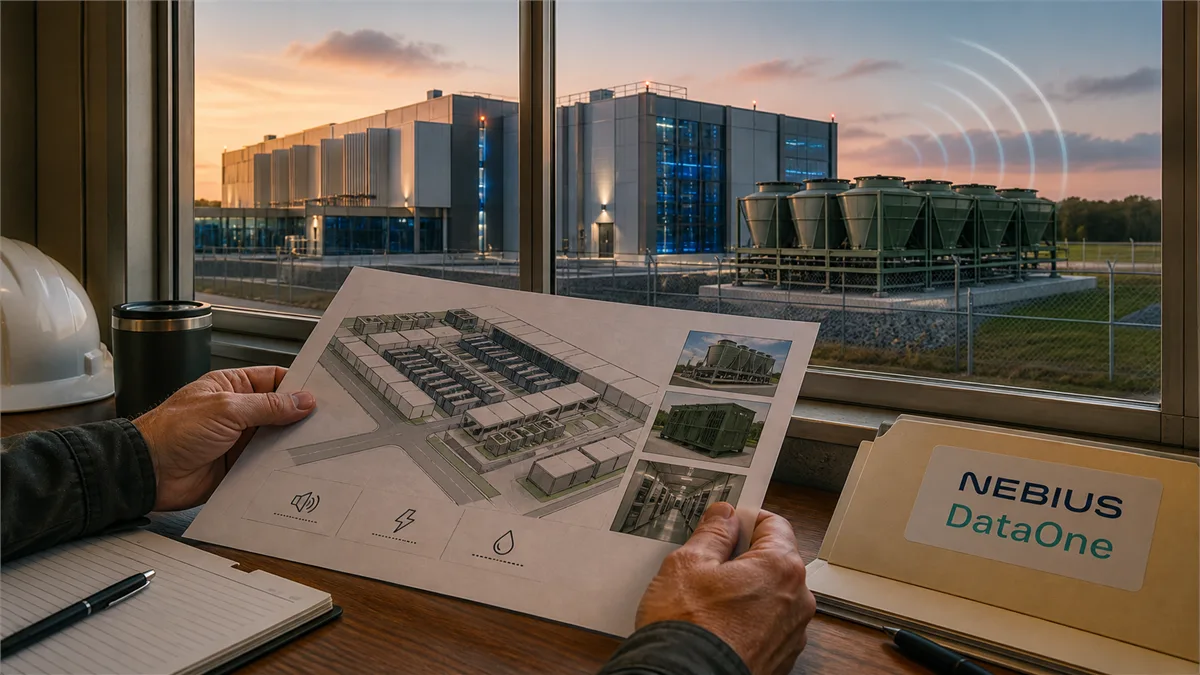
A same-day report on a Vineland data-center noise lawsuit turns AI infrastructure into a practical business question: what is behind the cloud service, and who is accountable when real-world constraints change?