A Pennsylvania arrest tied by reports to a cyber extortion case creates a practical question for business owners: who has authority, oversight, and records when outside ransomware response vendors enter the room?
SAP's autonomous enterprise update is a useful signal for business owners: when AI agents can act inside ERP, finance, procurement, and payment workflows, approval boundaries become an operating control.
A same-day report on TP-Link router scrutiny turns an old network question into a fresh owner decision: who can prove the firmware on your edge devices is actually current?
An unauthorized ASOS customer notification is a practical reminder that customer messaging platforms, app alerts, and third-party communication tools need ownership, logs, and shutoff plans.
A critical Atlassian file access vulnerability is a practical reminder that self-hosted Jira, Confluence, and developer tools need clear ownership, patch evidence, and exposure checks.
TeraWulf and Kentucky Power's 1 GW data-campus agreement is a useful reminder that AI and cloud promises still depend on power, timing, approvals, and continuity planning.
Google's pause on some open-source bug bounty submissions is a useful signal for business owners: AI can find issues faster, but someone still has to validate what is real, reachable, and worth acting on.
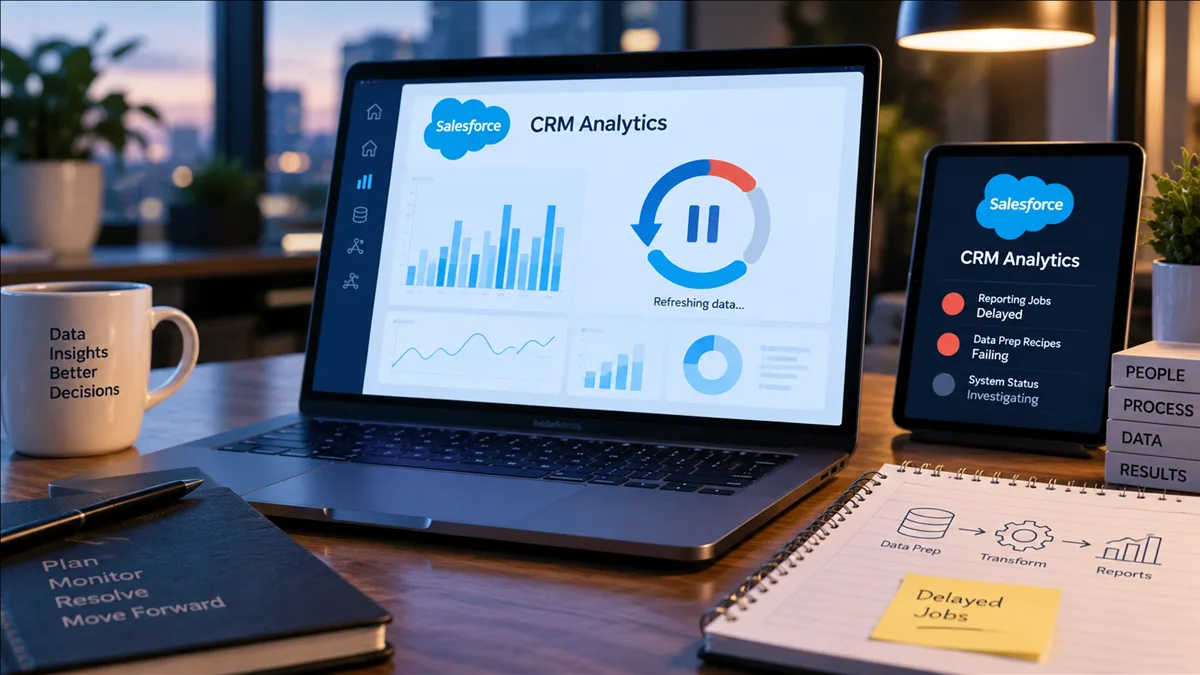
A same-day Salesforce CRM Analytics disruption is a useful reminder that dashboards, recipes, and scheduled reporting jobs need ownership before stale data reaches a leadership meeting.
Anthology Student access problems tied to Citrix security work are a useful test of whether a school, nonprofit, or business has a real SaaS outage plan when secure remote access is restricted.
Kaseya's Datto RMM macOS agent incident is a useful test of how clearly an MSP can explain which managed Macs are visible, which actions are paused, and how exceptions are tracked.
A proposed U.S.-China AI incident notification channel is a useful signal for business owners: AI planning is no longer only about choosing tools. It is also about escalation, resilience, and vendor accountability.
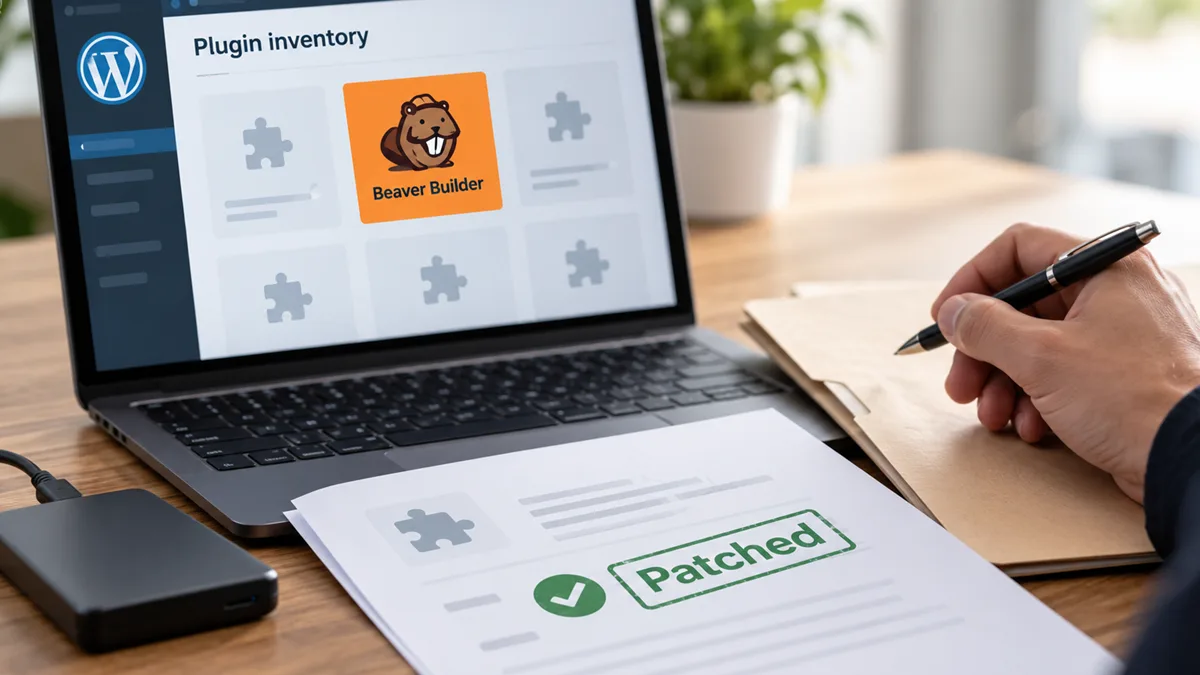
A same-day Wordfence update for a Beaver Builder vulnerability gives business owners a useful reason to ask who owns WordPress plugin inventory, patch proof, and follow-up checks for public websites.