Robocalls and spoofed caller ID have pushed regulators, carriers, and businesses toward stronger call authentication. The hard part is choosing the right target. A privacy-heavy system that IDs every phone user treats ordinary communication like a permissioned activity. A better version would authenticate trusted identity claims instead.
That is where a future SIP v3.0 style framework could help. The idea is simple enough to fit on a napkin: if a company wants a call or text to appear as a trusted business identity, that claim should travel with a certificate chain that proves who is allowed to make it. Scam calls would not disappear overnight, but spoofing would have a much worse day at the office.
The Problem Is Not Private Phones. It Is Fake Trust.
Most people do not need a government-style identity check to place a normal call. But when a caller claims to be a bank, vendor, school, medical office, police department, utility, or support desk, the network should not treat that label as plain text anyone can type.
Caller ID trust breaks when a display name and number can be presented without enough proof. STIR/SHAKEN and related caller-authentication work helped move the industry forward, but business callers, SIP providers, PBX platforms, call centers, departments, and user devices still need a more complete trust model.
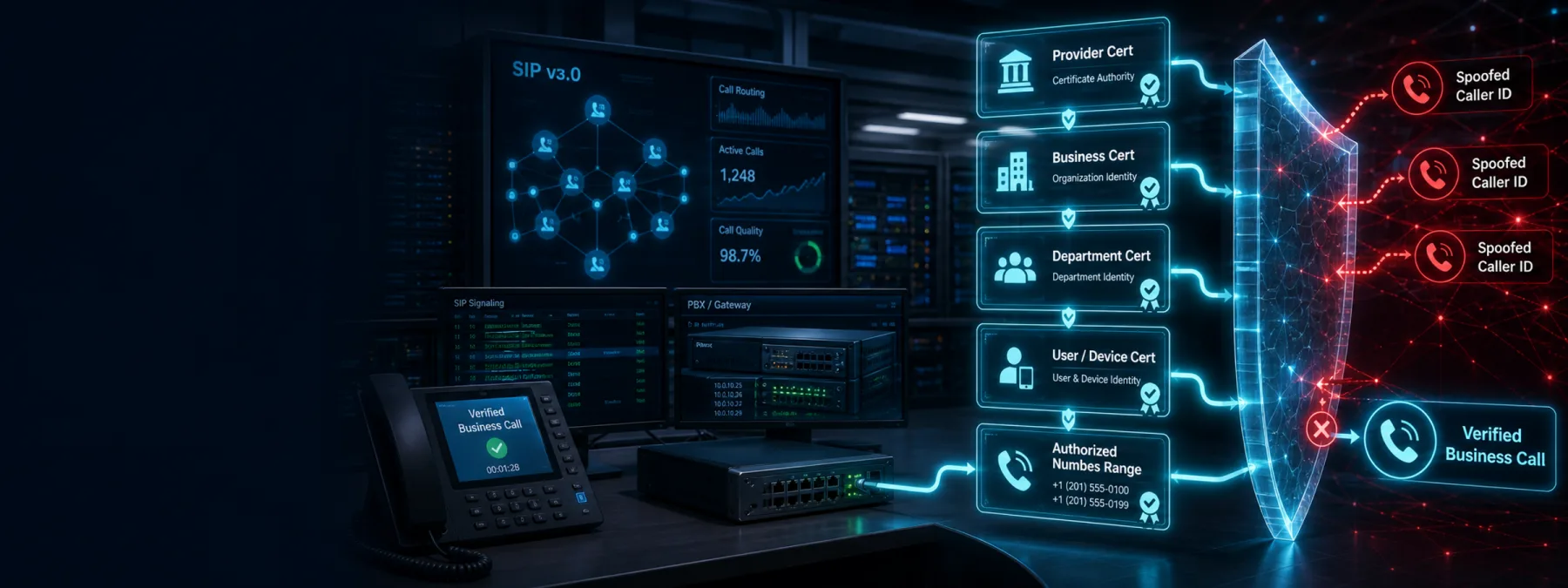
Diagram 1: Caller Identity Certificate Chain
SIP Provider Cert -> Org Business Cert -> Department Cert -> User or Device Cert
- SIP Provider Cert: verifies the provider allowed to originate or relay authenticated calls.
- Org Business Cert: verifies the legal business and the phone numbers or number ranges it controls.
- Department Cert: verifies a queue or business function such as Support, Billing, Dispatch, or Sales.
- User or Device Cert: verifies the PBX extension, softphone, desk phone, service account, or authorized user placing the call.
The Number Range Belongs in the Certificate
The business certificate should include the exact numbers or number ranges the organization controls. That matters because identity without number authority still leaves room for spoofing. A company should not be able to present a trusted business label from a number it does not control, and a provider should not be able to sign a call on behalf of a customer unless that delegation is valid.
This also fits the real world. Many businesses use a SIP provider, an MSP, a hosted PBX, a call center, or a messaging platform. The system should allow delegated authority while still proving that the business authorized the provider, the provider is trusted, and the presented number is in scope.
Diagram 2: What Gets Checked Before the Phone Rings
Origination: PBX signs the user/device claim -> SIP provider validates the business and number range -> provider signs the outbound call.
Termination: receiving carrier verifies the provider signature -> checks the certificate chain -> checks revocation -> displays a trust label only when the chain is valid.
- If everything validates: Verified Business Call.
- If the business validates but the user/device does not: Verified Business, user identity unverified.
- If the number is outside the authorized range: Possible spoofed caller ID.
- If the caller is VoIP or unknown with no trusted identity: Unverified caller.
Why Business Owners Should Care
Business impersonation is not only a carrier problem. A scammer pretending to be a vendor, executive, bank, IT provider, or help desk can create payment fraud, credential theft, and operational disruption. The more a company depends on phone calls and text messages for approvals, scheduling, support, billing, and urgent exceptions, the more caller identity becomes a business control.
A certificate-chain model would give legitimate businesses a reason to participate: better answer rates, clearer trust signals, and a safer way to present business identity. It would also give recipients useful context without forcing every private caller into the same identity dragnet.
Diagram 3: A Practical Trust Label Model
- Verified business: legal organization and number range are valid.
- Verified department: the call is tied to an approved business function.
- Verified user or device: the PBX, endpoint, or user cert is valid.
- Revoked or expired: trust label is suppressed and the call is treated as unverified.
- Unknown or unsigned: the call can still happen, but the network does not vouch for the identity claim.
What to Ask Before Trusting the Next Caller-ID Fix
- Does the proposal authenticate a business identity claim, or does it force identity checks on every ordinary phone user?
- Does it bind the certificate to specific phone numbers or number ranges?
- Can a business delegate authority to a SIP provider, PBX, MSP, or call center without losing accountability?
- Can compromised providers, departments, users, or devices be revoked quickly?
- Does the receiving side verify the chain before showing a trusted label?
- Does the user interface explain the difference between verified business identity and an unverified caller?
The Better Line to Draw
Private communication should remain possible. Trusted business identity should be earned. SIP v3.0, or a SIP-CID style extension, could draw that line by treating business caller identity more like web certificates: prove the identity claim, bind it to authorized numbers, sign it through a trusted chain, and revoke it when the trust is abused.
That would not end every scam. No standard gets that kind of cape. But it would make caller-ID impersonation harder, give businesses a cleaner way to prove who they are, and help recipients see the difference between a real trusted call and someone typing a familiar name into a spoofing tool.
Sources and further reading