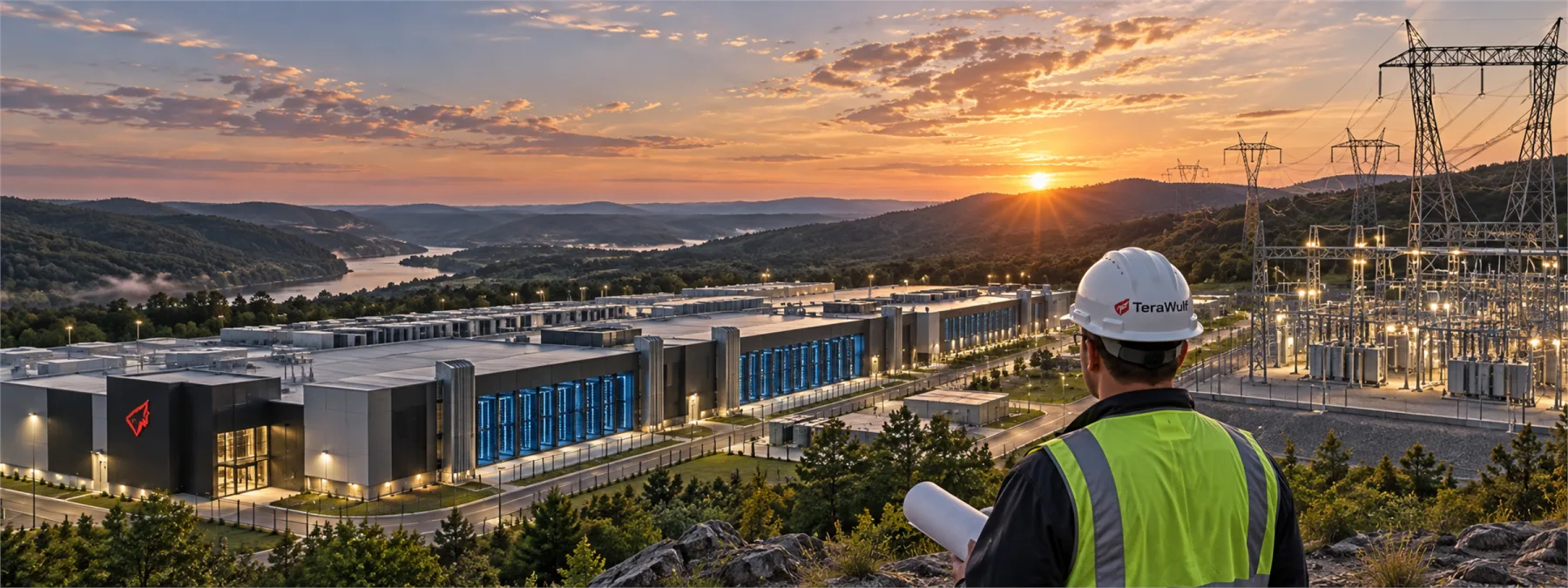
TeraWulf said on October 5, 2026 that it executed an amended electric service agreement with Kentucky Power to expand contracted power capacity at the Muskie Data Campus in eastern Kentucky from 500 megawatts to 1 gigawatt. Kentucky Power separately said the expanded agreement would advance the second 500 MW phase from 2030 to 2029, subject to Kentucky Public Service Commission approval and Kentucky Power's construction schedule.
That may sound like a hyperscale data-center story, and it is. But it also lands squarely in the inbox of business owners who are being asked to approve AI tools, cloud platforms, analytics projects, and managed services that promise more speed and intelligence. Somewhere underneath those promises are power contracts, facilities, network paths, backup designs, vendor commitments, and regulatory timelines.
The Cloud Still Has A Physical Address
For smaller businesses, the lesson is not to become an expert in utility regulation. The lesson is to remember that digital services are not floating above real-world constraints. A vendor can sell an AI roadmap in a conference room, but the service still depends on data centers, electric capacity, cooling, networking, hardware supply, and recovery planning.
Kentucky Power said the amended agreement would double contracted electric demand for TeraWulf's Muskie Data Campus and include proposed customer benefits if approved. TeraWulf said the additional capacity reflects strong customer interest. Those details matter because they show how much infrastructure has to line up before advanced computing capacity is available at scale.
The Business Decision Is About Evidence
When an owner hears that a vendor, MSP, SaaS provider, or cloud partner can support a new AI or modernization plan, the practical question is not whether the pitch sounds impressive. It is what evidence supports the promise.
Before approving a major technology change, businesses should know whether the service relies on a single region, a single data center, a narrow vendor relationship, or an assumed future capacity increase. They should also understand whether higher compute demand could change pricing, performance, availability, or support response during a busy period.
Questions Worth Asking Before Approval
- Where does the workload actually run? Ask whether the provider can identify the cloud region, data-center dependency, or hosting model behind the service.
- What happens when capacity is constrained? Ask whether performance, pricing, onboarding timelines, or support priorities change when demand rises.
- What is the recovery plan? Ask for backup, failover, restoration, and escalation expectations in plain language.
- Which promises are contractual? Separate marketing claims from service-level terms, credits, support obligations, and exit rights.
- Who owns the decision during an outage? Confirm who can approve a failover, pause a deployment, contact the vendor, or communicate with customers.
A Practical Next Step
For New Jersey businesses, the useful move is simple: add infrastructure dependency questions to vendor reviews before the next AI, cloud, or managed-service approval. The answer does not have to be a 40-page architecture document. It does need to be specific enough that an owner can understand what happens if a vendor's capacity, region, or upstream provider becomes the weak link.
The power contract may be far away from the office, but the decision reaches the budget, the workflow, and the customer experience. That is where technology planning gets real.
Sources and further reading