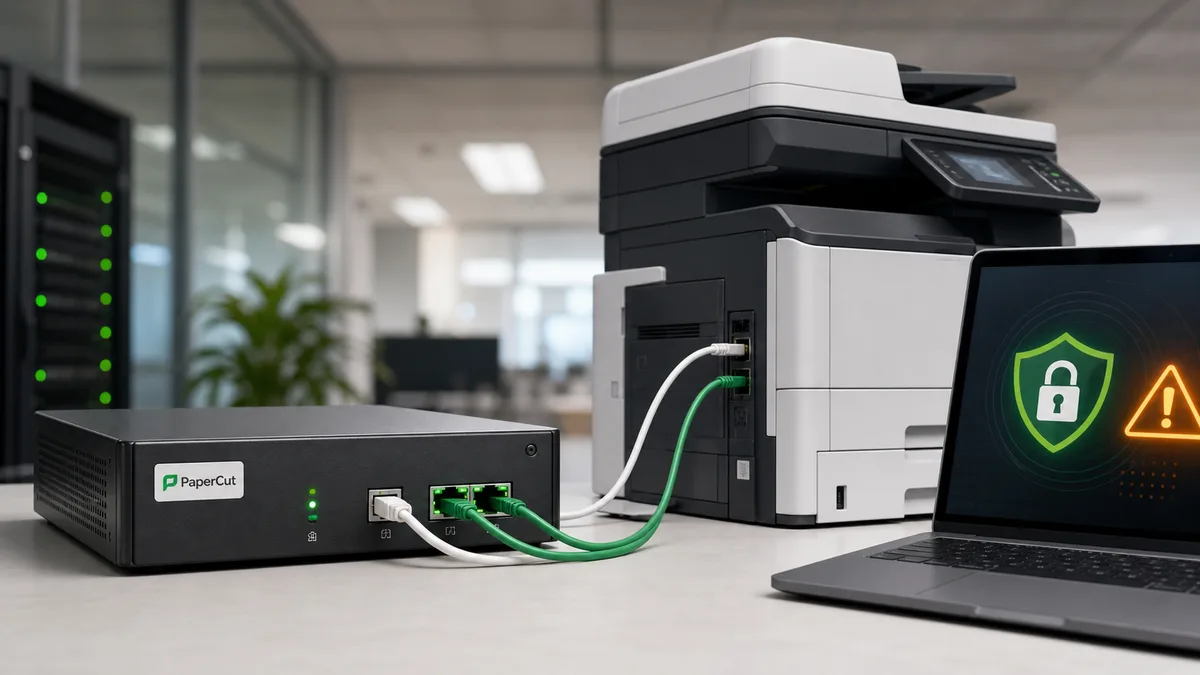
PaperCut updated its urgent advisory for actively exploited NG/MF flaws today. For business owners, the decision is not just whether the patch was installed, but whether exposure and compromise evidence were checked.
A same-day report on malicious Chrome and Microsoft Edge extensions gives owners a practical reason to review browser extension permissions, auto-updates, and managed-browser policy.
An OpenAI-led cyber defense letter gives business owners a timely reason to ask for evidence, not just assurances, from IT providers and software vendors.
A same-day report on a Vineland data-center noise lawsuit turns AI infrastructure into a practical business question: what is behind the cloud service, and who is accountable when real-world constraints change?
The FTC finalized orders over active listening AI advertising claims. For business owners, the practical question is whether marketing vendors can prove their data sources, consent, and AI capabilities before a renewal is approved.
Boston Scientific's August 26 SEC filing says a cyberattack disrupted systems behind order processing and shipping. For healthcare practices and other operators, the practical issue is vendor outage continuity, not panic.
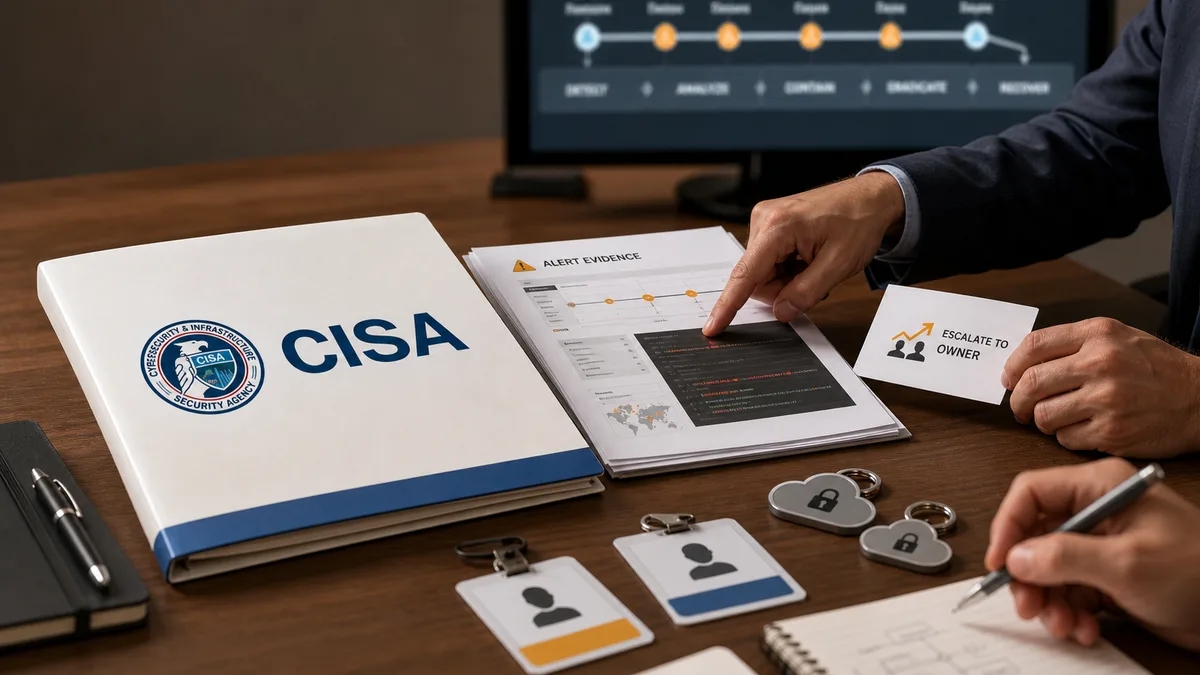
CISA's latest red-team reporting points to a practical owner question: do your security tools, MSP alerts, cloud logs, and escalation rules produce evidence when something goes wrong?
McKinsey's 2026 State of AI survey points to a practical owner question: before AI spending grows again, which workflow is changing, what cost is tracked, and how will ROI show up?
Active miniOrange SAML WordPress attacks make one point hard to ignore: website security depends on proof of the exact plugin edition, fixed version, and admin-access review, not just a quiet update screen.
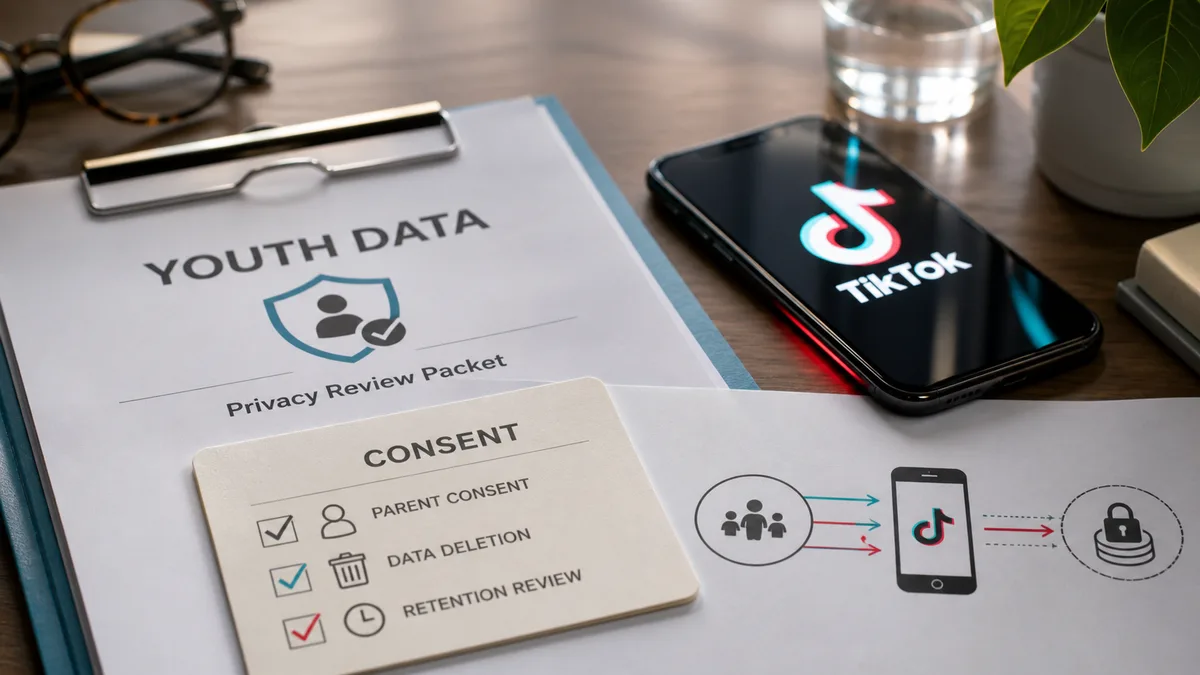
A $400 million TikTok child privacy settlement gives schools, nonprofits, youth programs, and local businesses a practical reason to review how social platforms, forms, ads, and vendors handle data tied to minors.
A same-day report on South Dakota's local-government cybersecurity program shows a familiar risk for small organizations: attackers keep working after the first funding cycle ends.
A same-day Fortune report about a $1,000 AI agent token bill is a useful warning for owners: AI tools need spend limits, usage visibility, and approval rules before they spread across the business.